
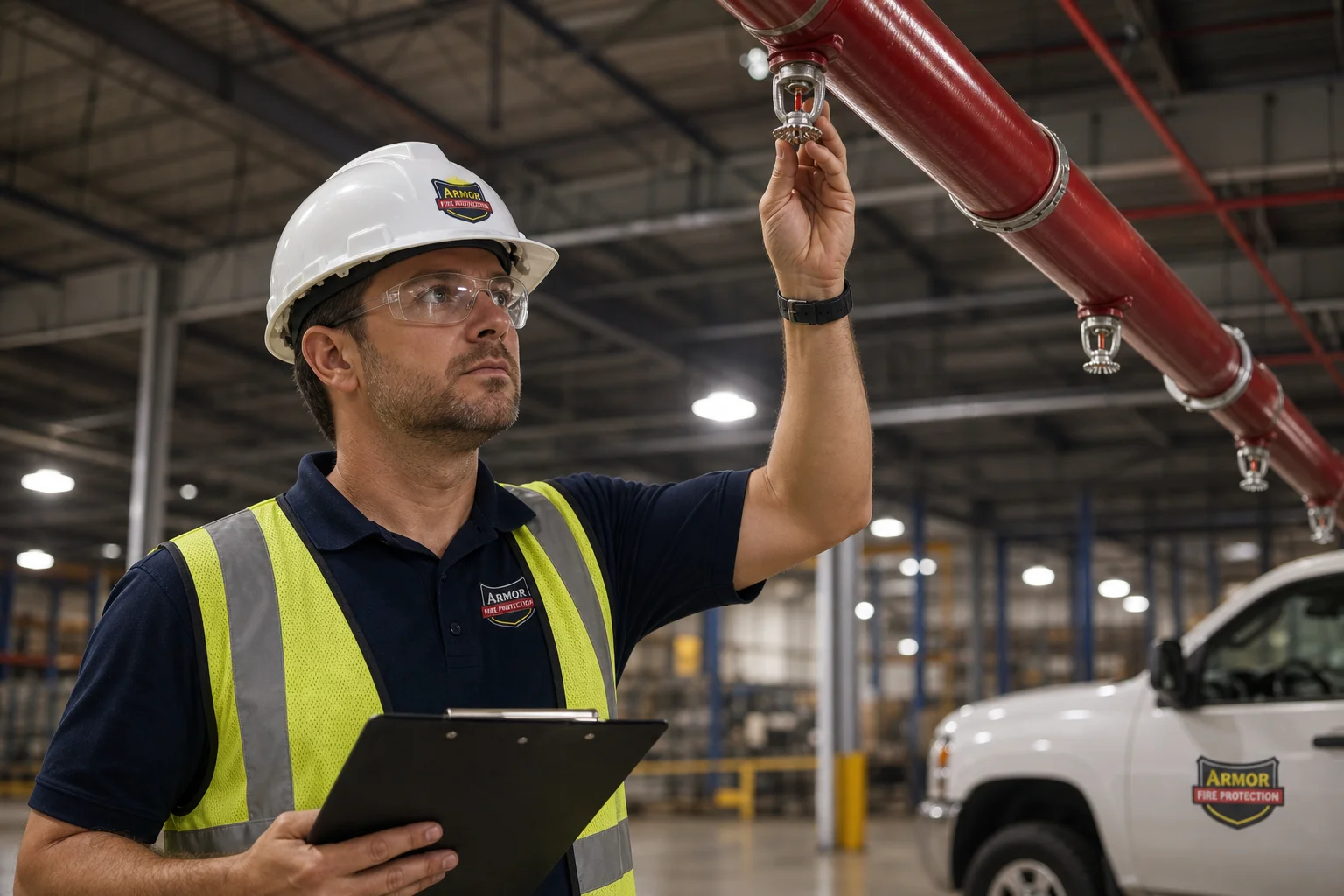
Superstition fire district protection governs fire safety requirements for properties across Apache Junction and portions of Pinal County. Understanding how the Superstition Fire Medical District operates, what emergency services it provides, and how local fire code connects to your homeowner insurance and commercial compliance keeps you ahead of costly violations and failed inspections.
What Is the Superstition Fire Medical District?
The Superstition Fire Medical District is an independent special taxing district serving Apache Junction, Arizona, and surrounding unincorporated areas of Pinal County. Unlike a city fire department, this fire medical district operates under its own elected board of directors, levies its own property tax, and manages its own apparatus, staffing, and training programs.
The district delivers fire suppression, emergency medical response, and public safety education to homes and businesses across its coverage areas. It coordinates with Pinal County emergency resources and other regional agencies to ensure seamless coverage, and it maintains a regional training center where firefighters complete both fire suppression and advanced medical response training.
Because it functions as a government district rather than a municipal department, the superstition fire medical district enforces its own interpretation of the adopted Arizona fire code. Property owners building, renovating, or opening commercial spaces within its boundaries are subject to plan review and inspection by the district fire marshal before occupancy is approved.
Fire Code Requirements for Properties in the District
Commercial properties served by superstition fire must meet specific code requirements depending on occupancy type, size, and construction class. The most common requirements break down as follows.
Fire Sprinkler Systems
New commercial construction above certain square-footage thresholds requires NFPA 13-compliant fire sprinkler systems. Multi-family residential buildings and certain remodels that trigger a change of occupancy may also require retrofits depending on the scope of work and the district fire marshal's determination.
Fire Alarms and Notification Devices
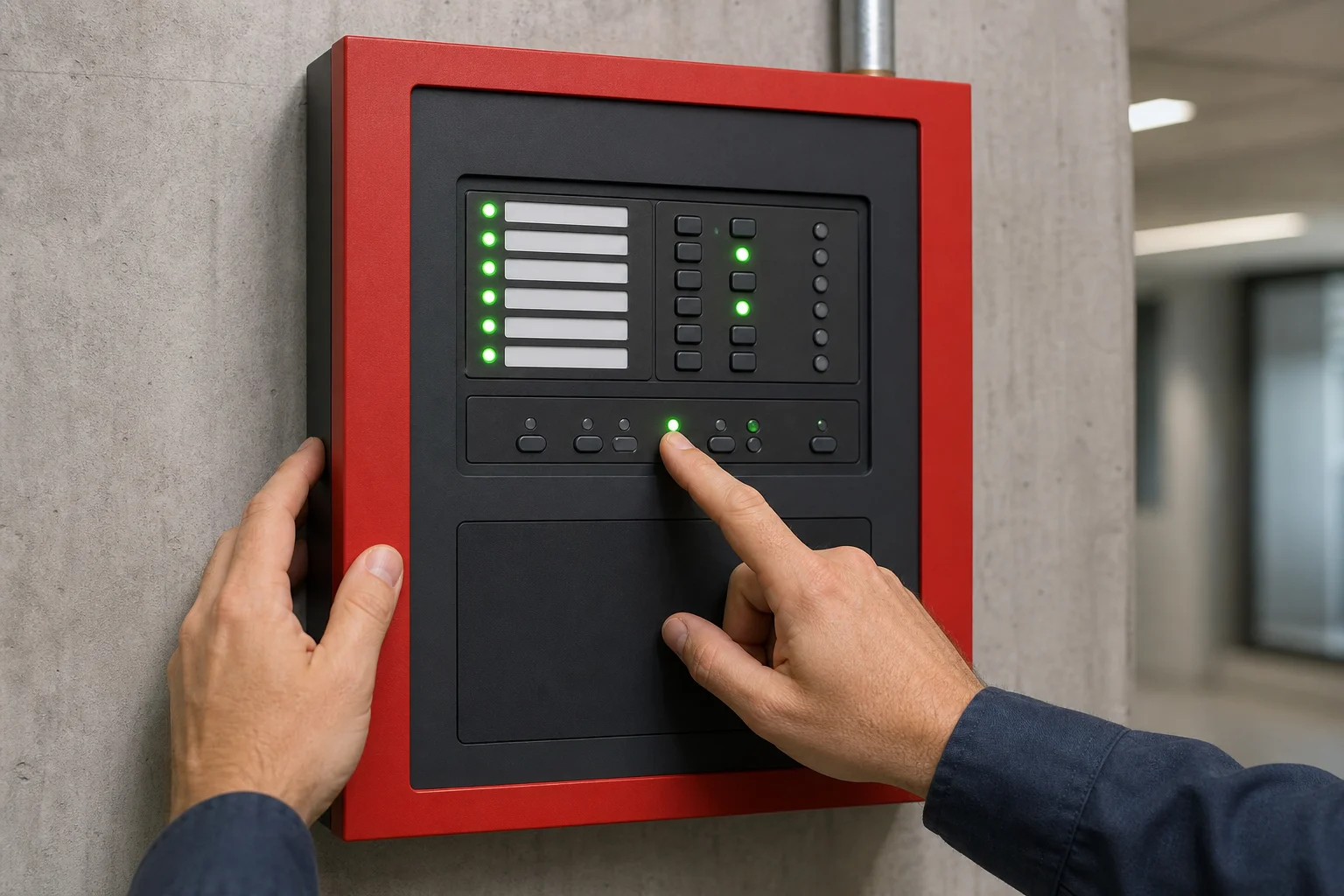
Most commercial occupancies require listed fire alarm and notification systems, including smoke detectors, manual pull stations, and audible and visual alert devices that meet current NFPA 72 standards. Systems must be tested annually and records maintained on-site.
Kitchen Fire Suppression
Any commercial kitchen using equipment that produces grease-laden vapors must install a listed hood suppression system. The district verifies these systems are serviced and tagged per NFPA 96 during inspections.
Portable Fire Extinguishers
All commercial properties must maintain properly rated and regularly serviced fire extinguishers at accessible locations throughout the building. Service tags must be current at the time of any inspection.
How Fire Protection Affects Homeowner Insurance and Commercial Premiums
Fire protection infrastructure has a well-documented connection to homeowner insurance rates. The Insurance Services Office (ISO) assigns a Public Protection Classification (PPC) rating to communities based on the capabilities of local emergency services, water supply infrastructure, and dispatch systems serving each area.
Properties located within a well-rated fire medical district typically qualify for lower homeowner insurance premiums compared to properties in unrated or low-rated areas. This is the core mechanism behind ISO's PPC program, which has influenced property insurance pricing for decades and continues to be a standard underwriting input across most major carriers.
For commercial property owners, installing and maintaining compliant fire suppression systems can reduce insurance costs as well. Insurers routinely request documented inspection records as proof that systems are operational and current. Organized service records protect your coverage and support rate discussions with your insurer.
Arizona State Retirement and District Workforce Stability
The firefighters and paramedics who staff the superstition fire medical district are public employees. Depending on their role and hire date, they are enrolled in either the Public Safety Personnel Retirement System (PSPRS) or the arizona state retirement system. Retirement arizona benefits for public safety employees include defined-benefit pension structures designed to recognize the physical demands and risks of emergency response work.
Strong retirement arizona provisions are not just a compensation matter. They directly affect workforce retention. When employee turnover stays low, institutional knowledge accumulates. Firefighters who have responded to hundreds of incidents within the same district develop detailed knowledge of local structures, access points, and business hazards that newer crews cannot replicate quickly.
For property owners and businesses in the community, this workforce stability translates to more effective emergency services responses. The crews arriving at your property in a critical moment are the same crews who trained at the regional training center together and know your streets.
What Business Owners in Apache Junction Arizona Need to Know
Running a business in apache junction arizona within the superstition fire district comes with recurring compliance obligations. Here is a direct breakdown of what matters most.
Annual and periodic inspections: The district may inspect commercial properties on a scheduled basis or in response to complaints. Violations require correction by a set deadline and re-inspection to confirm resolution.
Service documentation: Every fire protection system in your building, including sprinklers, alarms, and suppression systems, should carry a current inspection tag and a filed service report. District inspectors look for this documentation. Missing records are treated as violations regardless of system condition.
Permits for system changes: Any modification to an existing fire protection system requires a permit. Replacing components, adding alarm devices, or changing a suppression agent without documented approval can result in fines and a requirement to redo the work.
Pre-incident planning for high-risk occupancies: Warehouses, industrial facilities, and large restaurants benefit from sharing floor plans and hazardous materials inventories with the district before an incident occurs. This coordination makes emergency services response faster and safer for your employees and for the firefighters entering the building.
Partnering with a great fire protection company that holds a strong view of the local code environment and the district's enforcement priorities reduces your compliance risk and protects everyone inside your property.
Frequently Asked Questions
What areas does the Superstition Fire Medical District serve?
The superstition fire medical district serves Apache Junction, Arizona, and portions of unincorporated Pinal County. Boundaries cover residential neighborhoods, commercial corridors, and rural property areas. To confirm whether your specific parcel falls within the district, contact the district directly or check the Pinal County assessor records using your address.
Does the fire medical district require sprinklers in all commercial buildings?
No. Sprinkler requirements depend on occupancy type, building size, construction class, and whether the project involves new construction or a change of use. An existing building undergoing minor tenant improvements may not trigger a retrofit requirement, while a new commercial build of equivalent size almost certainly will. A licensed contractor can review your plans and clarify what the current code requires for your specific project.
How does being in a fire district affect homeowner insurance rates?
Insurers use ISO Public Protection Classification ratings to price fire risk into homeowner insurance premiums. Those ratings reflect the capabilities of your local emergency services, including your fire medical district. Properties served by better-rated districts tend to pay lower homeowner insurance rates. Ask your insurance agent for the specific PPC rating tied to your property address.
What is the difference between a fire department and a fire medical district?
A fire department is typically a division of a city or town government. A fire medical district is an independent special district with its own elected board, tax authority, and budget. In Arizona, fire medical districts are governed under Arizona Revised Statutes Title 48. Both deliver emergency services, but they operate under separate governance structures and funding mechanisms.
Do I need a licensed contractor for fire system installations in the district?
Yes. Arizona requires fire sprinkler systems, fire alarms, and suppression systems to be installed by licensed contractors. The district fire marshal will not approve systems installed without proper licensure and permits. Work performed by an unlicensed contractor creates liability exposure and typically must be removed and reinstalled to pass inspection.
ArmorFirePro serves businesses and property owners throughout the Apache Junction area with fire sprinkler installation, alarm systems, kitchen suppression, and annual inspections built around superstition fire district requirements. Request a free quote and get confirmation that your property is protected and fully code-compliant.

