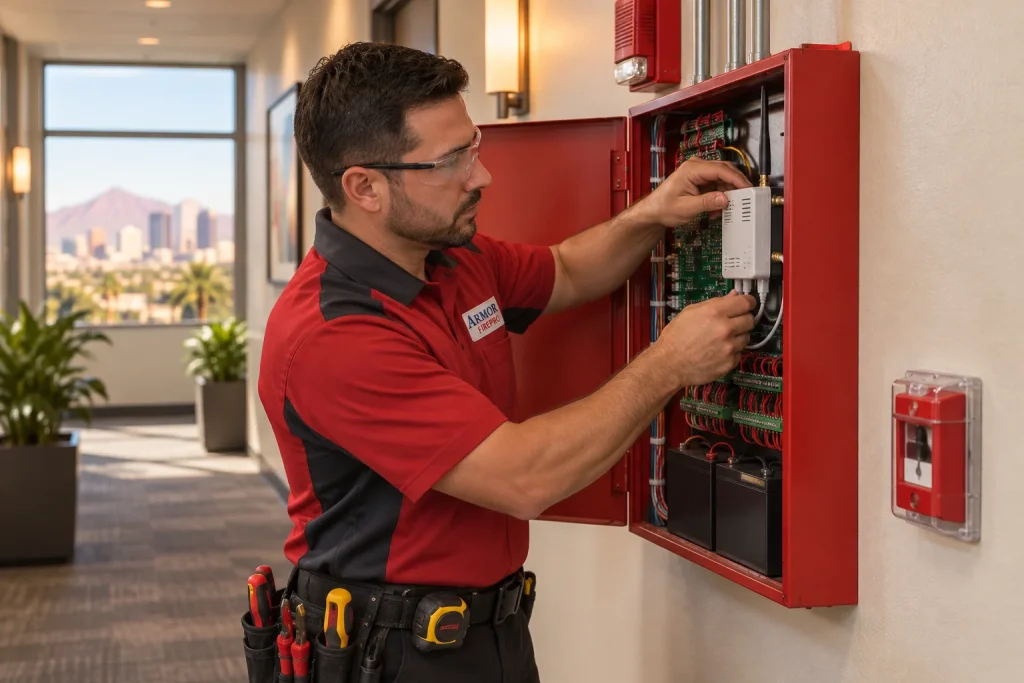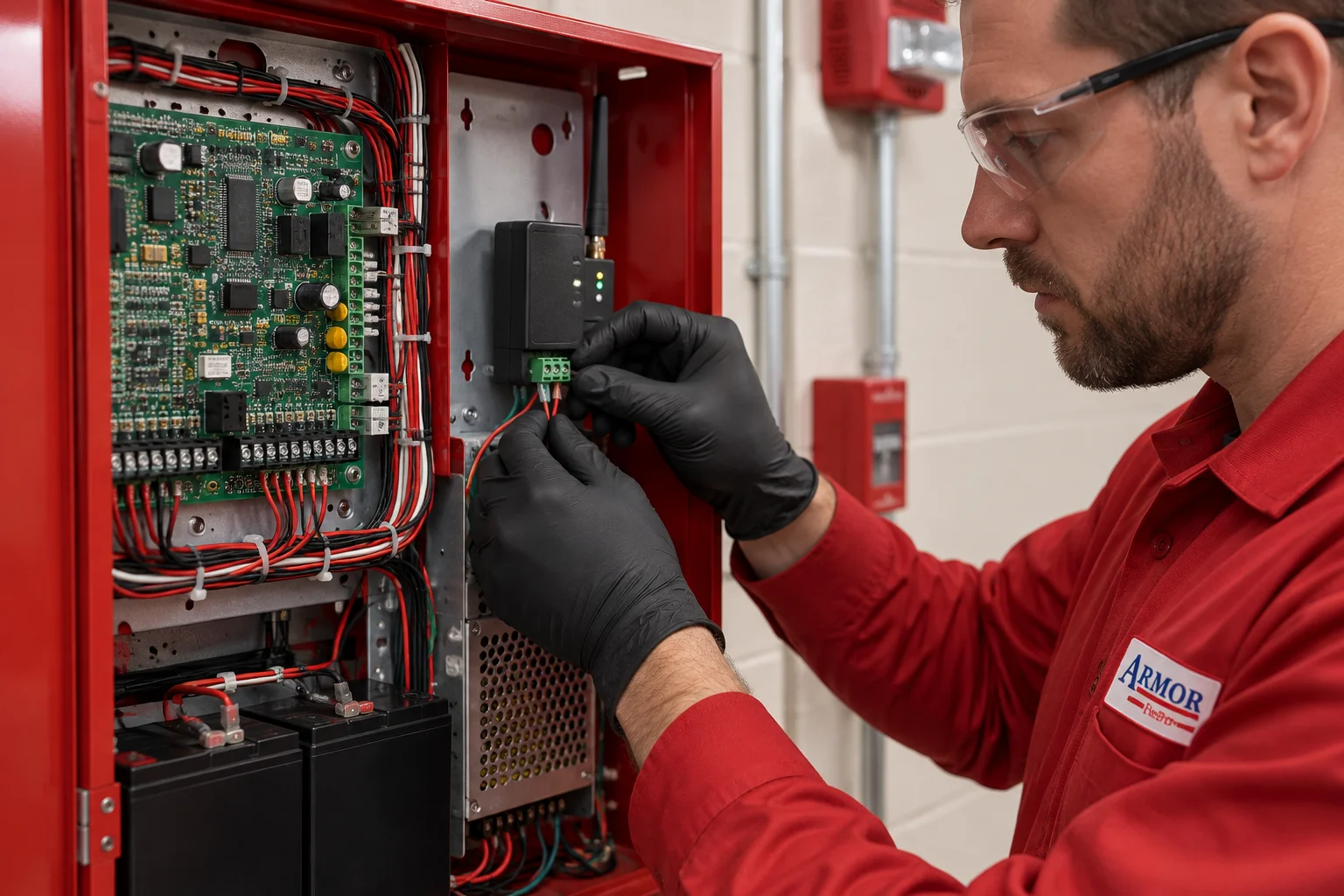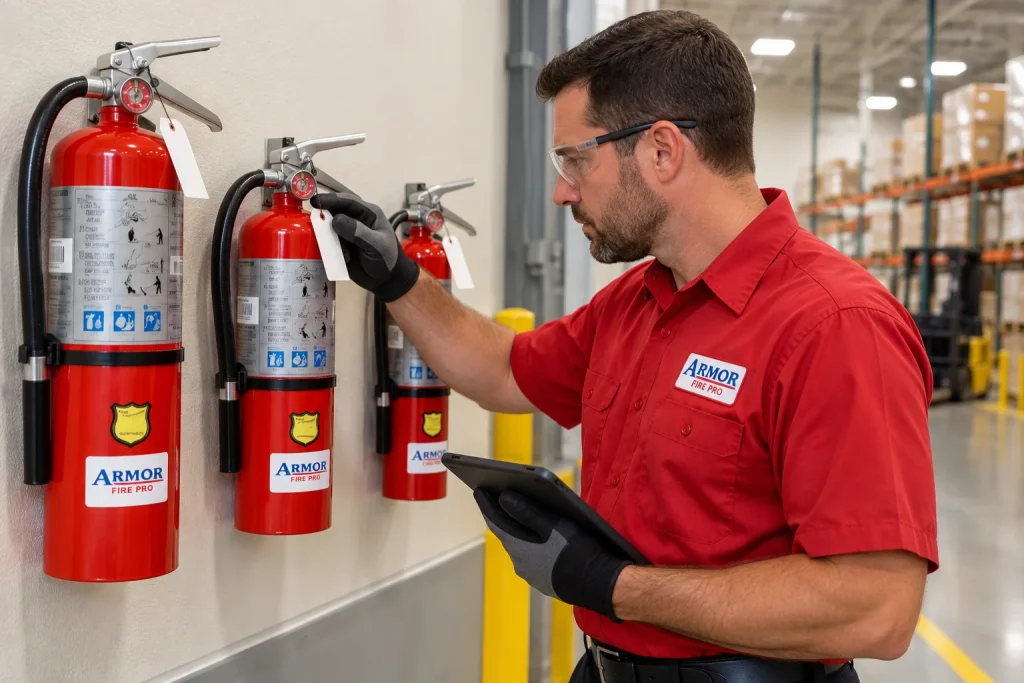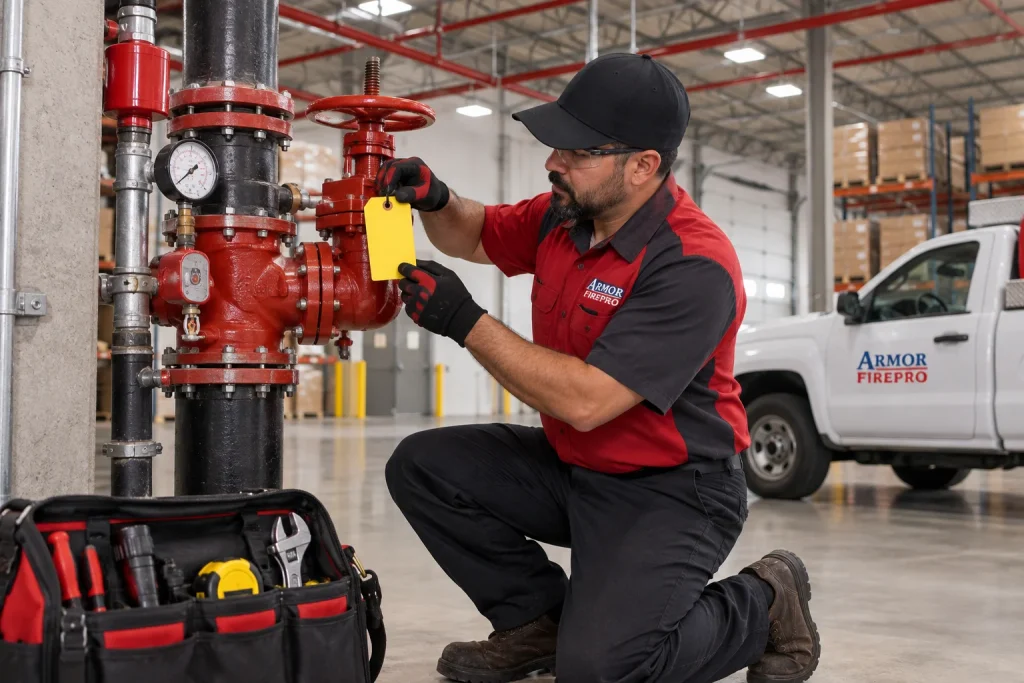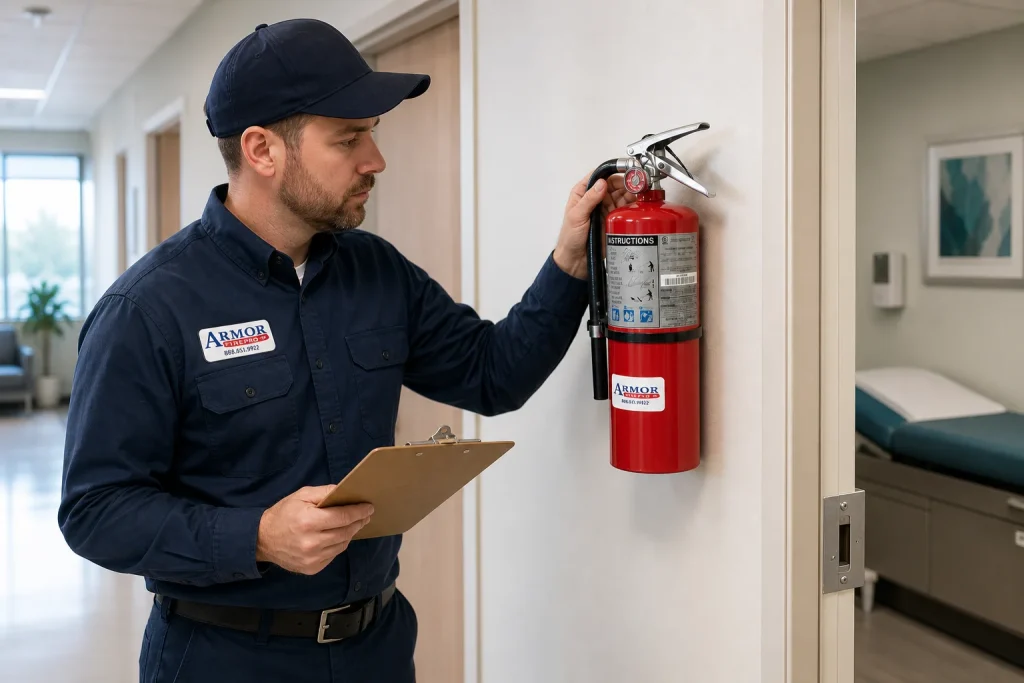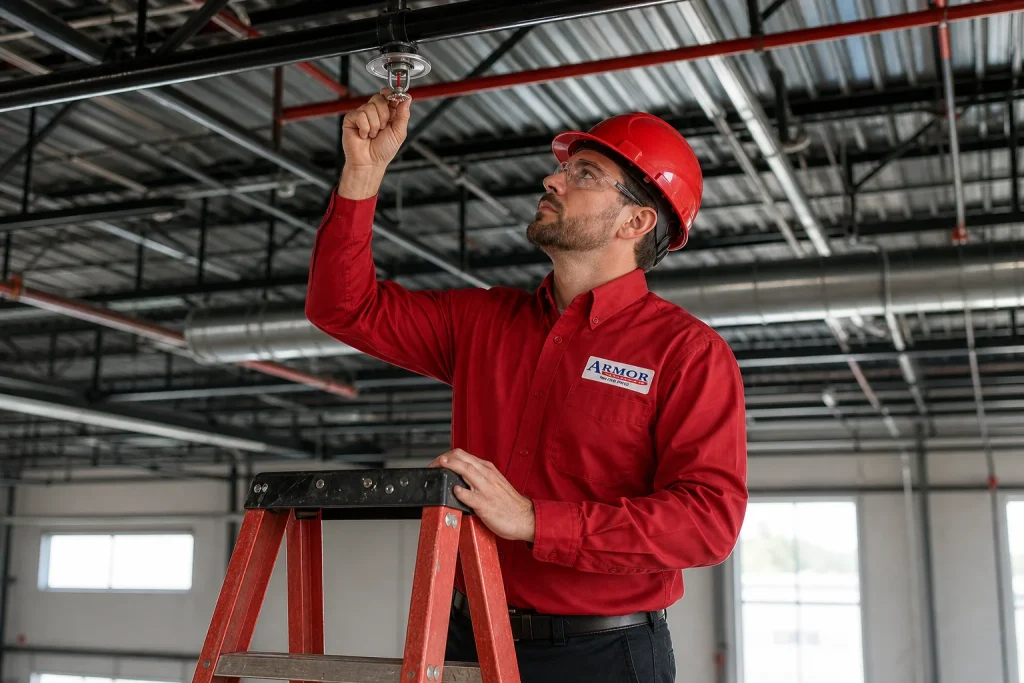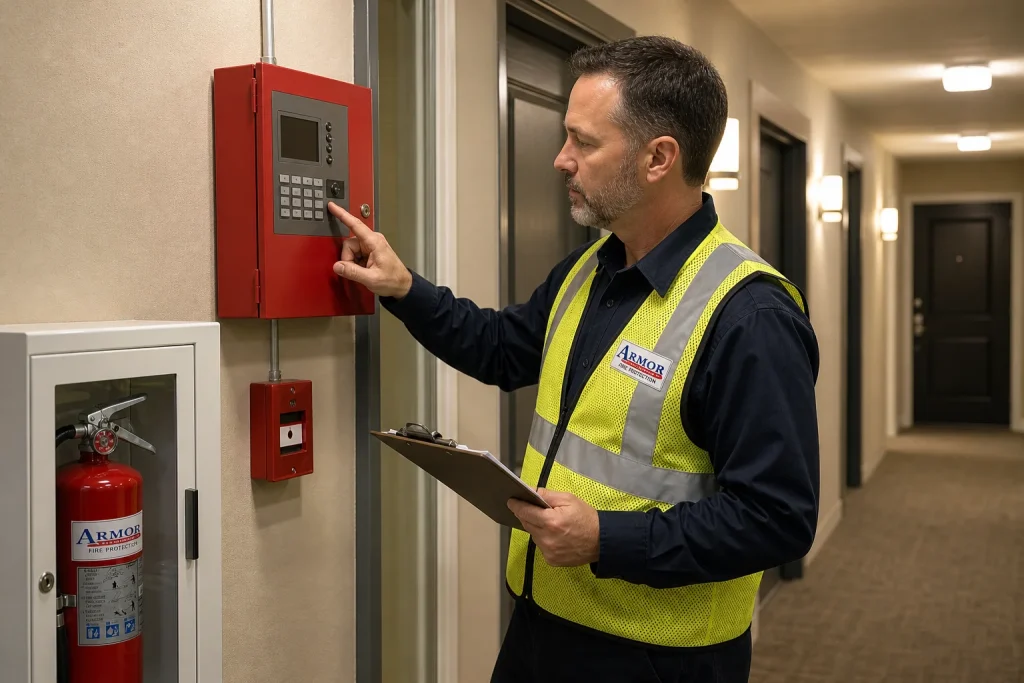
Choosing the wrong provider means gaps in coverage, missed inspections, or a system that fails Phoenix fire code review. This guide breaks down how to choose a fire alarm company in Phoenix, covering licensing, NFPA 72 experience, monitoring response times, and contract terms, so you sign with a company whose Fire Alarms & Lights install matches your building's actual risk.
By Armor Fire Pro Team, Fire Protection Specialists
How to Choose a Fire Alarm Company in Phoenix (And What to Ask First)
Fire alarms only work if they're designed, installed, and maintained by a company that treats fire protection as an essential, core discipline, not a side service. Before you sign a contract, walk through licensing, code knowledge, monitoring quality, cost transparency, and contract terms to ensure nothing critical gets skipped. Skipping any one of these leaves gaps that show up during an inspection, an insurance audit, or worse, an actual fire, and those gaps put your business and your building's occupants at risk.
The questions below cover what separates a reliable Phoenix fire alarm company from one that installs minimum equipment and disappears after the check clears. Use them as a checklist during every sales call for any commercial or residential property, and don't sign until you have straight answers on each point. A comprehensive fire protection systems approach ties detection, notification, and monitoring into one design instead of bolting components together, and the protection fire alarm systems provide depends on quality installation, accurate system design, and consistent maintenance, not just hardware on a wall. A fire alarm system is as much a security investment as a code requirement.
Is the Fire Alarm Company Licensed, Bonded, and Certified to Work in Arizona?
Arizona requires fire alarm contractors to hold an active license through the Arizona Registrar of Contractors under state regulations, along with bonding and liability insurance that protects your property if something goes wrong during installation. Ask to see the license number and confirm it's in good standing before any equipment goes on order.
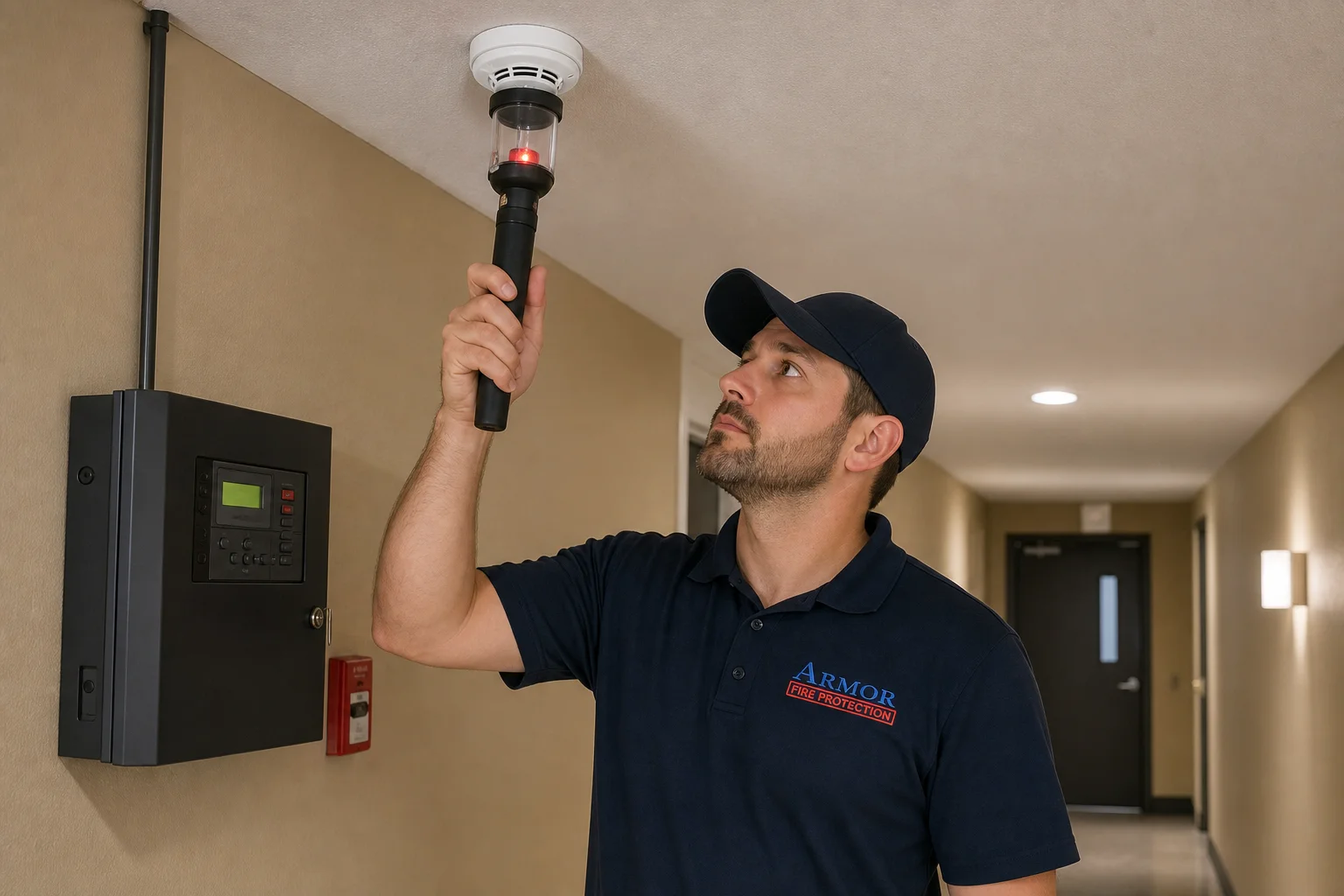
Certification goes further than the state license. Technicians who design, program, and test fire alarm systems should carry NICET training or manufacturer-specific certifications for the panel brands they install. A company that can't produce proof of either is asking you to trust their work without evidence, and that's not a position a commercial property owner should accept when fire safety and code compliance standards are on the line. Licensing and bonding are essential; they don't guarantee good system design, but their absence should end the conversation.
How Experienced Is the Company With NFPA 72 and Phoenix Fire Code Compliance?
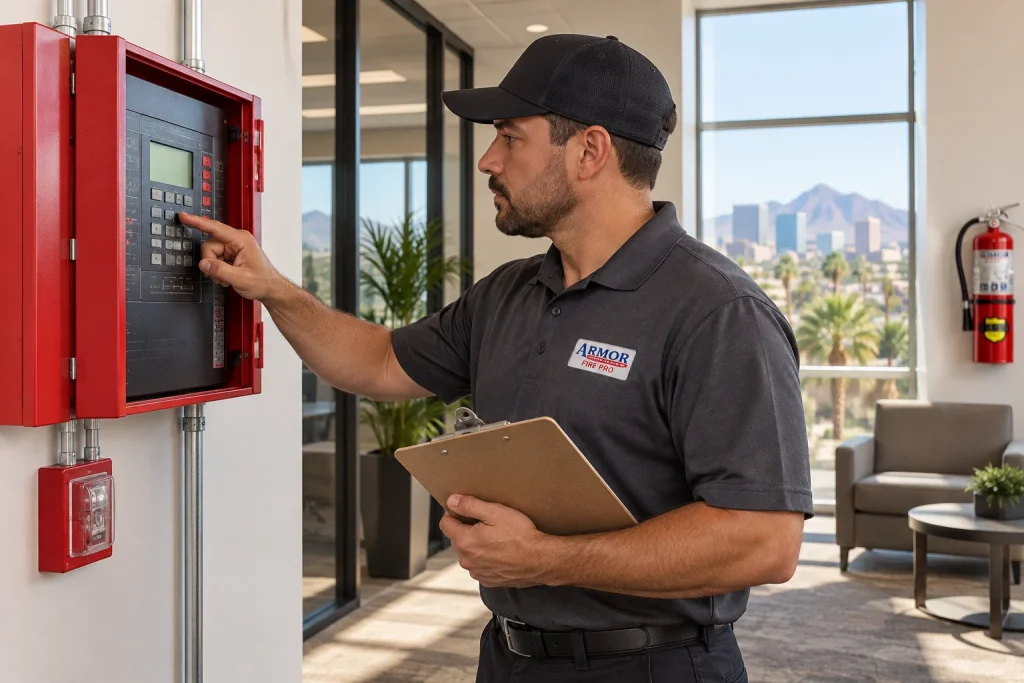
NFPA 72, the National Fire Alarm and Signaling Code, sets the technical baseline for detection spacing, notification appliance placement, and system programming. A company with real experience references NFPA 72 naturally when explaining device placement and spacing, so the finished install will meet Phoenix fire code requirements at inspection instead of triggering a corrective order.
Local knowledge matters just as much. Phoenix fire code compliance means understanding how the Phoenix Fire Department reviews plans, what documentation they expect at inspection, and how local amendments layer on top of the national standard. Ask how many commercial fire alarm system design and permit submissions the company has handled in Maricopa County in the past year, including coordination with electrical contractors during new construction. A company that mainly works outside Arizona may meet code on paper but stumble on the local review process, which usually means delays and change orders you didn't budget for.
What Monitoring, Response Times, and After-Hours Support Does the Company Provide?
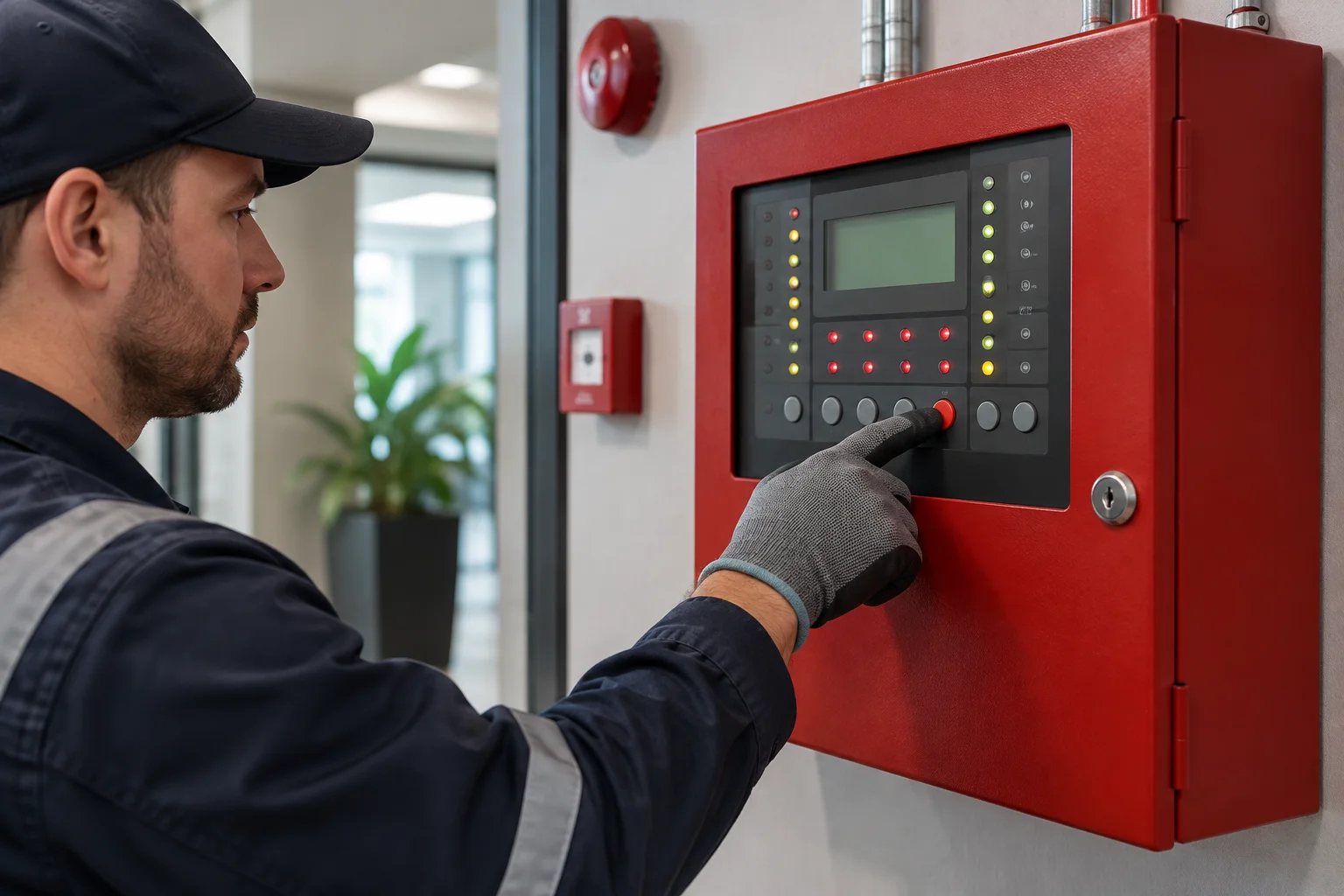
A fire alarm is only as useful as the monitoring behind it. Ask whether monitoring runs 24/7 through the company's own UL-listed central station or a third party, what the average dispatch time looks like, and whether someone answers the phone at 2 a.m. when a device faults instead of triggering a real alarm.
24/7 monitoring and rapid response separate a dependable provider from one that installs hardware and walks away. Confirm how alerts reach you directly, whether that's a phone call, a mobile app, or both, so you're not relying on the monitoring center alone to catch a false alarm before the fire department rolls a truck. Fast detection and emergency response coordination work together as one system, and a company that treats them separately usually has gaps in at least one.
How Much Does Fire Alarm Installation and Monitoring Cost in Phoenix?
Cost varies widely based on building size, device count, panel type, and whether you need a full new install or an upgrade to an existing system. A small commercial space with a handful of pull stations and smoke detectors costs less than a multi-story building needing voice evacuation, elevator recall, and integrated sprinkler monitoring, and whether the property is residential or commercial changes both device count and monitoring requirements.
Monitoring fees typically run as a separate monthly charge on top of installation, and they should be itemized clearly in any proposal you receive, not bundled into a vague line item. Ask what's included at each price point: inspection visits, battery replacement, false alarm response, and software updates all affect long-term cost even when the upfront number looks competitive. The clearest way to get an accurate number for your building is a Free Quote that accounts for your property's square footage, device count, and current Phoenix code requirements that keep your building safe and compliant.
What Do Reviews and Past Commercial Clients Say About the Company's Reliability?
Online reviews tell part of the story, but for a commercial fire alarm system, ask for references from businesses similar in size and industry to yours, across comparable commercial properties. A restaurant with kitchen suppression tie-ins has different needs than a warehouse or a multifamily property, and a reference from a comparable job tells you more than a five-star rating with no context.
Reading reviews and talking to past clients is one practical way to see how to choose a fire alarm company in Phoenix without guessing. Ask a reference how the company handled a false alarm, a failed inspection, or an emergency service call outside business hours. A company confident in its reliability will connect you directly; one that hesitates or offers only curated testimonials is telling you something too.
What's Included in the Service Contract, Inspections, and Ongoing Maintenance?
A signed contract should spell out inspection frequency, response time commitments, parts and labor coverage, and what happens if a device fails between scheduled visits. Vague language here is where disputes start, usually after something has already gone wrong.
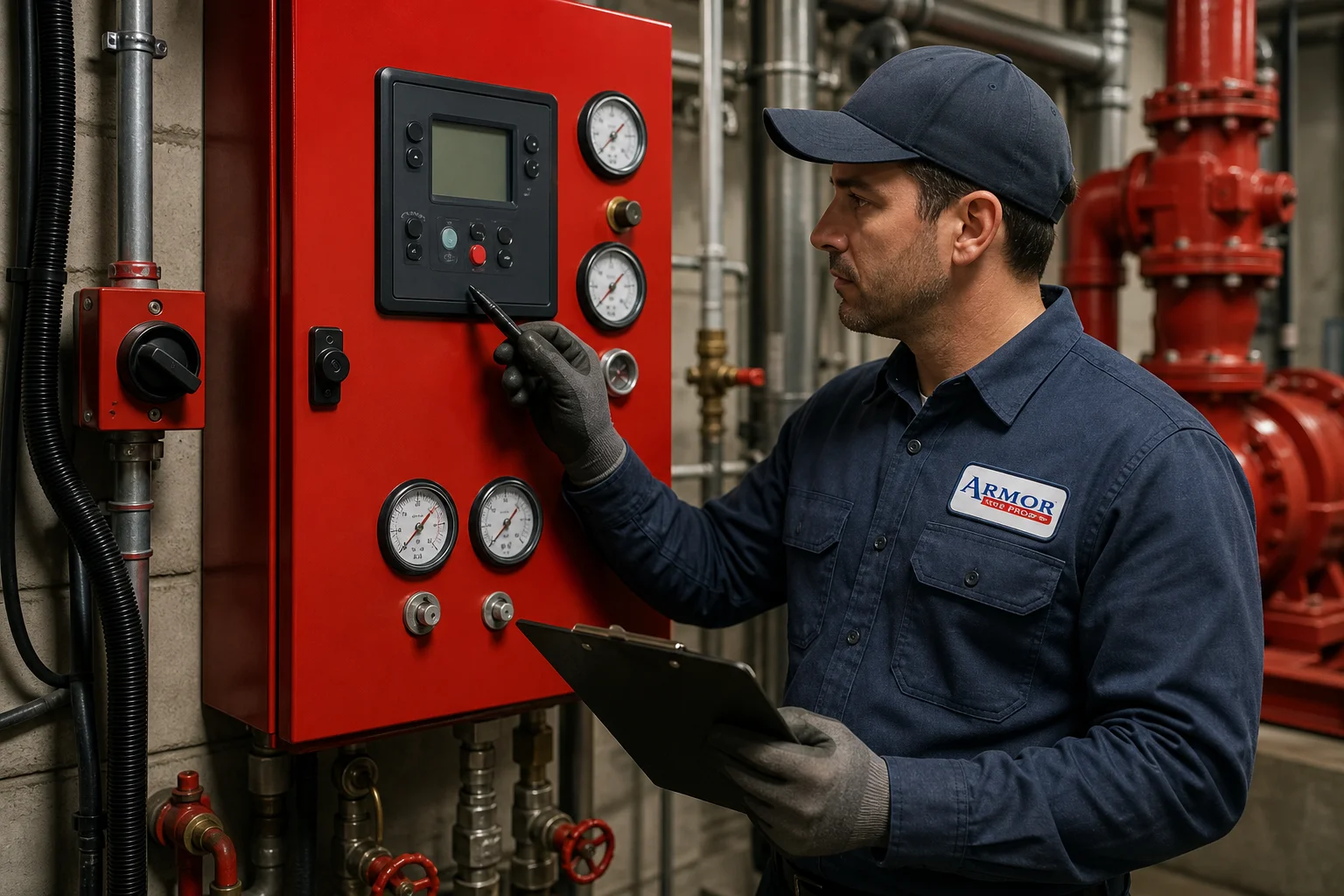
Ongoing fire prevention inspections and testing keep a system compliant year-round rather than scrambling to pass a single annual check. Confirm whether the contract includes NFPA-required testing intervals, battery and sensor replacement, and documentation you can hand to an insurance carrier or the fire marshal on request to ensure the system stays compliant between annual inspections. A contract that only covers break-fix service without scheduled maintenance shifts the compliance risk back onto you, which defeats the purpose of hiring a specialist in the first place.
Frequently Asked Questions
How do I choose the right fire alarm company in Phoenix?
Compare licensing and bonding status, NFPA 72 experience, monitoring quality, and contract terms across at least two or three providers before deciding. Ask each company the same set of questions, request references from similar commercial properties, and get every cost and service commitment in writing so there's nothing to interpret later. The company that answers clearly, without hedging, is usually the safer choice.
What is the average cost of a commercial fire alarm system in Phoenix, AZ?
Cost depends on building size, device count, panel type, and whether the job is new construction or a retrofit, so there's no single flat number that applies across properties. Monitoring is typically billed separately from installation. The most reliable way to budget accurately is to have a licensed provider assess your specific building and current code requirements.
Do fire alarm companies in Arizona need to be licensed?
Yes. Arizona requires fire alarm contractors to carry an active license through the Arizona Registrar of Contractors, along with bonding and liability insurance. Reputable companies also employ NICET-trained or manufacturer-certified technicians for system design, programming, and testing. Always confirm license status directly before signing a contract or scheduling installation work.
How often does a fire alarm system need to be inspected in Phoenix?
Inspection frequency depends on system type and occupancy, but most commercial fire alarm systems require testing on a schedule set by NFPA 72 and confirmed by local fire code officials, often ranging from quarterly checks on certain components to a full annual test of the entire system. Your service contract should state the exact schedule your building follows.
What's the difference between a local Phoenix fire alarm company and a national provider?
A local company typically knows Phoenix fire code amendments, the local permitting process, and Maricopa County inspection expectations firsthand, and can usually get a technician on-site faster for service calls. National providers may offer broader resources, but response times and familiarity with local requirements can vary by branch. Ask specifically who handles your account day to day.
Talk to a Licensed Phoenix Fire Alarm Team Before You Sign Anything
Knowing how to choose a fire alarm company in Phoenix comes down to one final step: verifying licensing, NFPA 72 experience, and contract terms in writing before you sign anything. See how commercial fire alarm design, installation, and monitoring solutions fit together across our Services.