
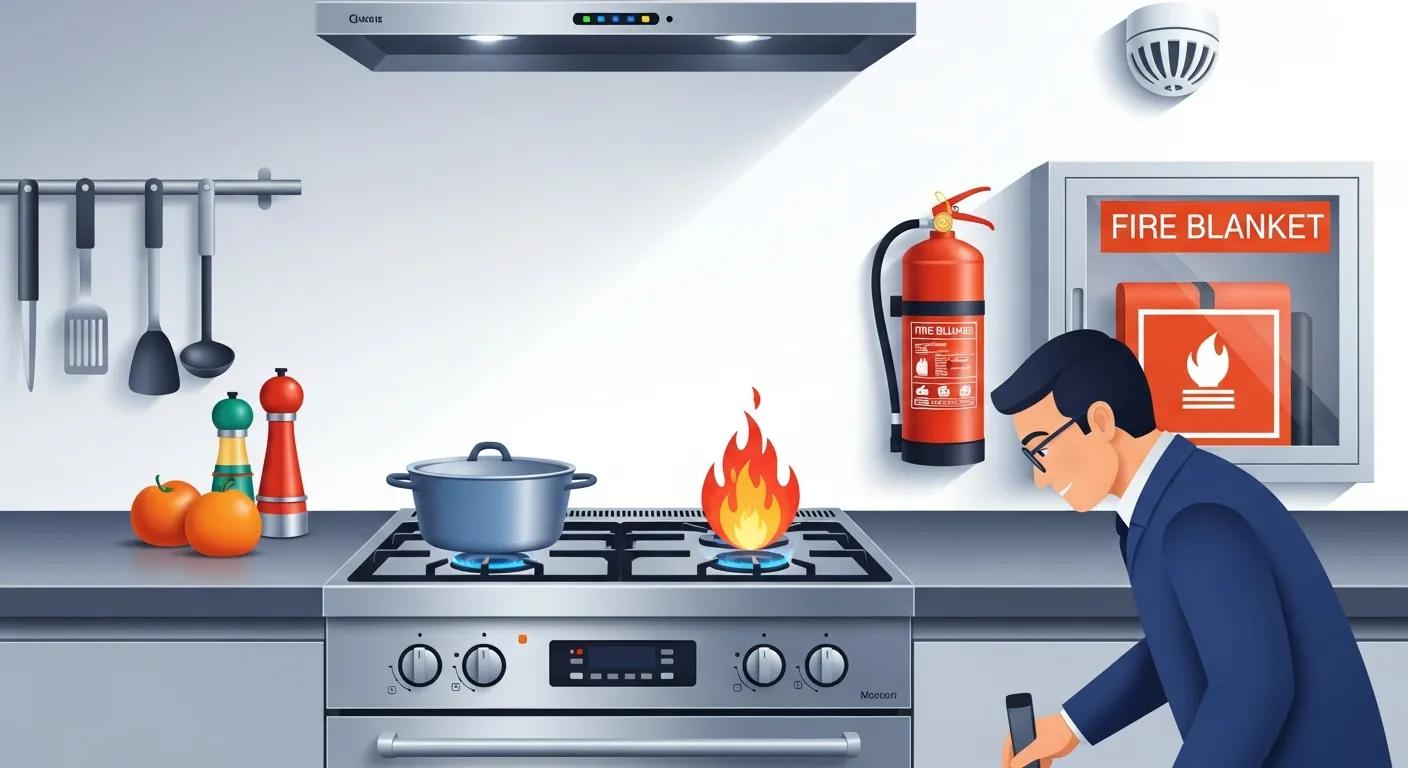
Fire Sprinkler Suppliers & Equipment: Choosing Quality Components for Your System
Selecting the appropriate fire sprinkler system is essential to ensure occupant safety and regulatory compliance. Sprinkler systems detect heat and suppress fires to limit damage and protect lives. This article explains the primary components, describes common sprinkler system types, and outlines criteria for choosing dependable suppliers. It also addresses compliance with industry standards and current technological trends so you can make decisions that improve safety, reliability, and operational efficiency.
Research further demonstrates the established role and reliability of fire sprinkler systems in reducing fire losses.
Fire Sprinkler System Effectiveness & Reliability
A shortage of compiled data on the effectiveness of fire safety systems, including sprinklers, has constrained the development of performance-based fire safety design. Among available systems, sprinkler operation is the most extensively studied. This paper synthesises current information on sprinkler effectiveness. Two common approaches are used to estimate effectiveness: component-based methods (for example, fault-tree analysis) and system-based methods that rely on incident data where sprinklers were present. The paper compiles component data and system-based effectiveness estimates, compares the merits of both approaches, and issues recommendations for design use. Those recommendations address uncertainty and suggest a hybrid system/component approach for specific comparisons, thereby informing assessments of system reliability in performance-based design methods.
A review of sprinkler system effectiveness studies, K Frank, 2013
What Are the Essential Components of a Fire Sprinkler System?
A fire sprinkler system consists of coordinated components that detect fire conditions and deliver water to control or extinguish fires. The primary components are listed below.
- Sprinkler Heads: The most visible part of the system, these devices release water when they detect heat from a fire.
- Piping Network: This network transports water from the main supply to the sprinkler heads.
- Control Valves: These valves regulate the flow of water within the system, allowing for maintenance and control during emergencies.
- Alarm System: Integrated alarms alert occupants and emergency services when a fire is detected.
Clear understanding of these elements is necessary to ensure system functionality and compliance with applicable safety regulations.
Types of Fire Sprinkler Heads and Their Functions
Sprinkler systems are conpd in different ways to suit specific hazards and environments. Common system types include the following.
- Wet Pipe Systems: These systems contain water at all times and are the most common type used in buildings.
- Dry Pipe Systems: Used in areas where freezing is a concern, these systems hold air in the pipes until a fire triggers the release of water.
- Pre-Action Systems: These systems require two triggers to release water, making them suitable for environments with sensitive equipment.
- Deluge Systems: Designed for high-hazard areas, these systems release water from all sprinkler heads simultaneously.
Select the system type based on the facility’s hazard classification, environmental conditions, and protection objectives to achieve reliable performance.
Key Fire Sprinkler System Parts and Materials
Material selection affects system durability, corrosion resistance, and operational reliability. The principal parts and their typical materials include:
- Sprinkler Heads: Typically made from brass or plastic, they must withstand high temperatures and pressures.
- Piping: Common materials include steel, copper, and PVC, each offering different benefits in terms of cost and durability.
- Control Valves: Often constructed from brass or stainless steel, these valves must be reliable to ensure proper system operation.
Specifying high-quality materials supports long-term compliance with safety standards and reduces lifecycle maintenance costs.
How to Select Reliable Commercial Fire Sprinkler Suppliers?
Choosing a dependable supplier is central to achieving system performance and code compliance. Evaluate suppliers against objective criteria listed below.
- Reputation: Research the supplier’s history and customer reviews to gauge their reliability.
- Product Quality: Ensure that the supplier offers high-quality components that meet industry standards.
- Compliance: Verify that the supplier adheres to NFPA and OSHA standards, which are critical for safety and legal compliance.
Armor Fire Protection Inc specializes in fire sprinkler systems and provides design, installation, maintenance, and component supply. Their emphasis on quality components and code compliance supports reliable fire protection outcomes.
Evaluating Supplier Compliance with NFPA and OSHA Standards
Supplier compliance with NFPA and OSHA requirements is a core criterion for risk management and legal conformity. Use the following steps to evaluate compliance.
- Review Documentation: Request and review the supplier’s compliance documentation, including certifications and inspection reports.
- Conduct Audits: Periodically audit suppliers to ensure they maintain compliance with safety standards.
- Check References: Speak with other clients to confirm the supplier’s adherence to industry regulations.
Applying these verification steps helps ensure your fire sprinkler components are procured from a supplier that meets regulatory and quality expectations.
Comparing Supplier Product Quality and Warranty Offerings
Compare product construction, testing, and warranty provisions to assess total value and long-term reliability. Key comparison factors are listed below.
- Material Quality: Assess the materials used in the components to ensure they meet safety standards.
- Warranty Terms: Review the warranty offerings to understand the level of protection provided for your investment.
- Customer Feedback: Look for reviews and testimonials from other customers regarding product performance and supplier support.
A systematic comparison of quality and warranty terms will facilitate procurement decisions that balance upfront cost with lifecycle risk and performance.
Sprinkler System Design for Maintainability
property condition assessments and has seen many instances where poor design can impact the frequency and quality of sprinkler system inspection, testing, and maintenance.
Designing sprinkler systems for maintainability: best practices for designing an automatic sprinkler system that can be easily inspected, tested, and maintained, 2017
- Professional Installation: Always hire certified professionals to ensure compliance with safety standards.
- System Design: Work with experts to design a system tailored to your building’s specific needs.
- Regular Maintenance: Schedule regular maintenance to ensure the system remains operational and compliant.
Adhering to these practices mitigates installation risk and supports consistent system performance throughout its service life.
Factors Influencing Fire Sprinkler System Installation Cost
- System Type: Different systems (wet, dry, pre-action, deluge) have varying installation costs.
- Building Size: Larger buildings typically require more extensive systems, increasing costs.
- Material Choices: The choice of materials for piping and components can significantly affect the overall price.
Awareness of these cost drivers enables accurate budgeting and selection of appropriate protection strategies for the facility.
Step-by-Step Installation Process to Ensure Compliance
To achieve compliance during installation, follow a controlled process that documents decisions and verification steps.
- Hazard Assessment: Conduct a thorough assessment of the building to identify potential fire hazards.
- System Design: Collaborate with fire protection engineers to design a compliant system.
- Installation: Hire certified professionals to install the system according to the design specifications.
- Testing and Inspection: After installation, conduct thorough testing and inspections to ensure compliance with safety standards.
Following this sequence helps ensure installation aligns with design intent and applicable codes, producing a functional and compliant system.
How to Maintain and Inspect Fire Sprinkler Systems Effectively?
Ongoing maintenance and inspection are required to preserve system reliability. The following practices form the basis of an effective program.
- Routine Inspections: Schedule regular inspections to check for any signs of wear or damage.
- Maintenance Schedules: Follow a maintenance schedule that includes testing and servicing components.
- Documentation: Keep detailed records of inspections and maintenance activities for compliance purposes.
Implementing these practices preserves system integrity and ensures readiness when a fire event occurs.
Recommended Maintenance Schedules and Procedures
Maintain the system through scheduled activities aligned with industry guidance. A typical schedule includes the items below.
- Annual Inspections: Conduct comprehensive inspections of the entire system once a year.
- Semi-Annual Tests: Perform semi-annual tests on critical components, such as control valves and alarms.
- Quarterly Walkthroughs: Conduct quarterly walkthroughs to identify any visible issues or maintenance needs.
Adherence to a documented maintenance schedule supports compliance and reduces the risk of system failure.
Common Inspection Checklists and Compliance Requirements
Use standardized checklists to verify compliance and identify corrective actions. Key checklist items include the following.
- NFPA Compliance: Verify that the system meets all NFPA standards.
- Inspection Frequencies: Ensure that inspections are conducted at the required frequencies.
- Documentation Requirements: Maintain accurate records of all inspections and maintenance activities.
Applying a consistent checklist methodology helps maintain regulatory compliance and provides an audit trail for inspections and maintenance.
Why Is Compliance with Fire Protection Codes Critical When Choosing Equipment?
Equipment selection must align with fire protection codes to manage risk and legal obligations. The principal reasons are outlined below.
- Risk Mitigation: Adhering to codes reduces the risk of fire-related incidents and liabilities.
- Insurance Benefits: Compliance can lead to lower insurance premiums and better coverage options.
- Legal Compliance: Meeting fire protection codes is a legal requirement in many jurisdictions.
Recognizing these factors supports procurement choices that reduce exposure and deliver verifiable safety outcomes.
Understanding NFPA 13 and Other Relevant Standards
NFPA 13 specifies minimum requirements for the design and installation of sprinkler systems. Its principal provisions address the areas listed below.
- System Design: Guidelines for designing systems that effectively protect against fire hazards.
- Installation Requirements: Specifications for the proper installation of components to ensure functionality.
- Maintenance Protocols: Recommendations for maintaining systems to ensure ongoing compliance and effectiveness.
Familiarity with NFPA 13 and related standards is necessary to ensure the system meets regulatory and operational requirements.
Impact of Compliance on Safety and Insurance
Adherence to fire protection codes influences both operational safety and financial exposure. The effects include the following.
- Preventing System Failures: Compliance ensures that systems function correctly, reducing the likelihood of failures during emergencies.
- Liability Reduction: Adhering to codes can help mitigate liability in the event of a fire incident.
- Insurance Premium Impacts: Insurers often offer lower premiums for properties with compliant fire protection systems.
Understanding these impacts helps organizations priotirize compliance as part of their risk management strategy.
What Are the Latest Trends in Fire Sprinkler Equipment and Technology?
The fire protection sector is evolving, with developments that affect system monitoring, materials, and detection capabilities. Notable trends include the items below.
- Smart Fire Sprinkler Systems: Integration of IoT technology allows for real-time monitoring and data-driven insights.
- Environmentally Friendly Materials: Innovations in materials focus on sustainability without compromising performance.
- Advanced Detection Technologies: New technologies enhance the ability to detect fires more quickly and accurately.
Staying current with these trends supports informed procurement and long-term system resilience.
Smart Fire Sprinkler Systems and IoT Integration
Connected sprinkler systems use IoT sensors and analytics to improve monitoring and asset management. Key advantages include the following.
- Real-Time Monitoring: Continuous monitoring of system performance allows for immediate detection of issues.
- Data-Driven Insights: Analytics provide valuable insights into system performance and maintenance needs.
- Water Conservation: Smart systems can optimize water usage, reducing waste during fire suppression.
IoT integration represents a material improvement in operational oversight, enabling faster response to faults and more efficient maintenance planning.
Environmentally Friendly Materials and Innovations
Manufacturers are introducing materials and processes that reduce environmental impact while maintaining performance. Key developments include:
- Sustainable Sourcing: Materials are sourced from renewable resources to minimize environmental impact.
- Recyclable Components: Many new components are designed to be recyclable, reducing waste.
- Performance Enhancements: Innovations in material technology improve the performance of fire sprinkler systems while being environmentally responsible.
These developments indicate a sector-wide commitment to sustainability that does not compromise safety or functionality.
To further strengthen your fire protection program, consider reviewing available fire sprinkler services from established providers.
For targeted protection in commercial kitchens, evaluate kitchen fire suppression systems designed to control cooking-related fires rapidly.
Ensure your facility maintains appropriately rated fire extinguishers and accessories for immediate first-response fire control.

