
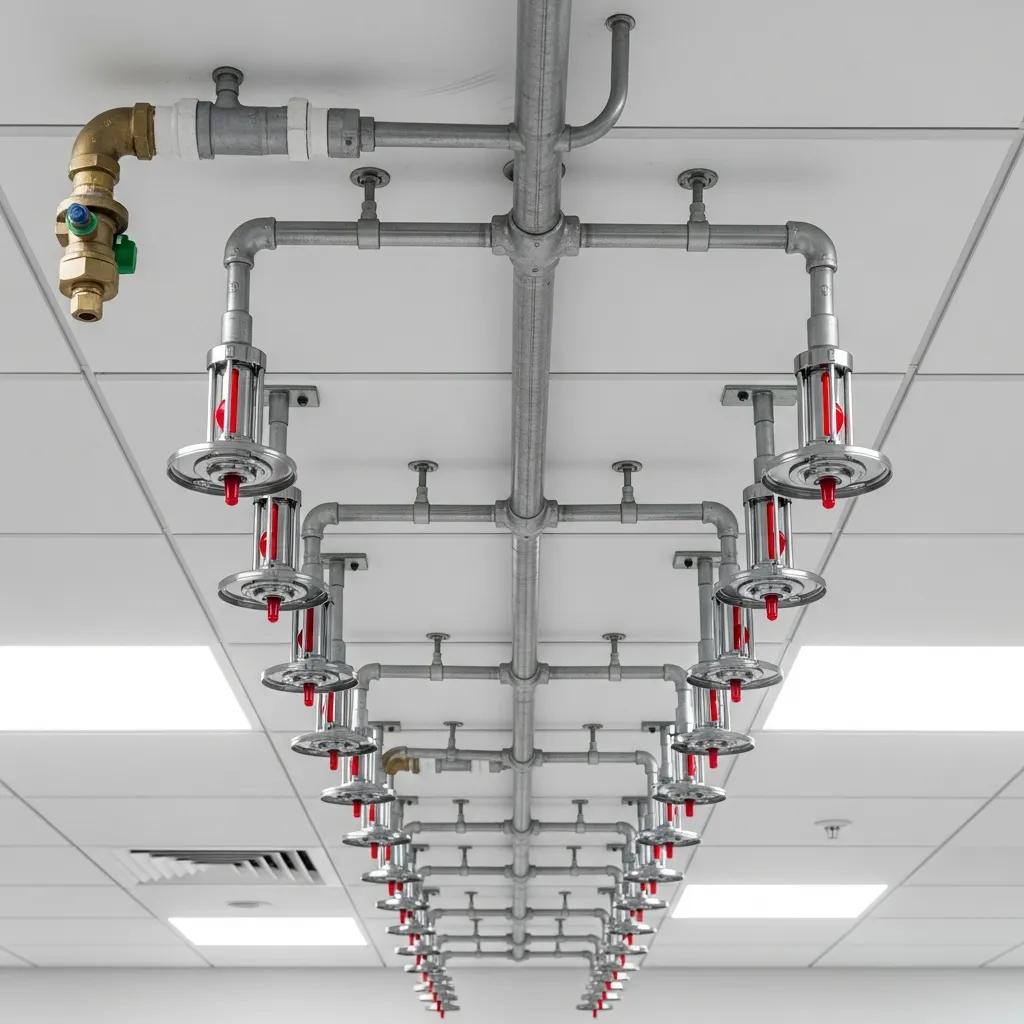
Commercial Fire Sprinkler System Repair: Emergency Services & Preventive Solutions for Business Safety
Commercial fire sprinkler systems are essential for protecting businesses from fire hazards, ensuring safety for both property and personnel. This article delves into the critical aspects of commercial fire sprinkler system repair, emergency services, and preventive solutions that can safeguard your business. Readers will learn how to identify signs of malfunction, the importance of emergency services, and the necessity of preventive maintenance. Understanding these elements is vital for maintaining compliance with safety regulations and ensuring the longevity of fire protection systems.
Many businesses face the risk of fire-related emergencies, which can lead to devastating losses. However, timely repairs and preventive measures can significantly mitigate these risks. This article will cover the signs that indicate a need for repair, the role of emergency services in protecting commercial properties, the importance of preventive maintenance, and how professional inspections ensure safety and compliance.
What Are the Signs That a Commercial Fire Sprinkler System Needs Repair?
Identifying issues in a commercial fire sprinkler system is crucial for maintaining safety and compliance. Common signs that indicate a need for repair include visible leaks, corrosion, and low water pressure. Addressing these issues promptly can prevent more significant problems and ensure the system functions effectively during emergencies.
How to Identify Leaks, Corrosion, and Damage in Fire Sprinkler Systems
To effectively identify leaks, corrosion, and damage in fire sprinkler systems, regular visual inspections are essential. Look for water stains on ceilings or walls, which may indicate leaks. Additionally, using pressure gauges can help monitor the system’s water pressure, revealing potential issues. Signs of corrosion, such as rust on pipes and fittings, should also be addressed immediately to prevent system failure.
Common Causes of Fire Sprinkler System Failures and Emergencies
Fire sprinkler systems can fail due to various reasons, including corrosion, improper installation, and lack of maintenance. Corrosion is often a leading cause, as it weakens pipes and fittings over time. Improper installation can lead to significant issues, such as inadequate water flow during emergencies. Regular maintenance is crucial to ensure that all components function correctly and to prevent emergencies from occurring.
How Do Emergency Fire Sprinkler Services Protect Your Commercial Property?
Emergency fire sprinkler services play a vital role in protecting commercial properties by providing rapid response and expert repairs. These services are typically available 24/7, ensuring that businesses can receive immediate assistance during a fire-related emergency. Understanding what to expect from these services can help business owners prepare for potential incidents.
What to Expect from 24/7 Emergency Fire Sprinkler Repair Response
When a fire sprinkler emergency occurs, the first step is an initial assessment by trained professionals. They will evaluate the situation, identify the cause of the problem, and determine the necessary repairs. Common emergency scenarios include burst pipes or malfunctioning sprinkler heads, which require immediate attention to restore the system’s functionality.
Steps for Rapid Diagnosis and Repair During Fire Sprinkler Emergencies
During a fire sprinkler emergency, the response team follows a systematic approach to diagnose and repair the issue quickly. This includes assessing the extent of the damage, implementing repair techniques, and testing the system after repairs to ensure it operates correctly. Rapid diagnosis and repair are essential to minimize damage and restore safety to the property.
Why Is Preventive Maintenance Essential for Commercial Fire Sprinkler Systems?
Preventive maintenance is crucial for ensuring the reliability and longevity of commercial fire sprinkler systems. Regular maintenance helps identify potential issues before they escalate into emergencies, ensuring compliance with safety regulations and reducing the risk of system failure.
The critical role of consistent maintenance and inspection in fire sprinkler systems cannot be overstated, as highlighted by research.
Fire Sprinkler System Maintenance & Inspection Importance
This article outlines the importance of tests, inspection, and maintenance operations in the context of a fire sprinkler system. It highlights the critical role of tests, inspections, or preventive maintenance actions.
Maintenance of fire sprinkler systems based on the dynamic assessment of its condition, J Sobral, 2016
What Are NFPA 25 Inspection Requirements and Maintenance Schedules?
The National Fire Protection Association (NFPA) 25 outlines specific inspection requirements and maintenance schedules for fire sprinkler systems. These include monthly, quarterly, annual, and five-year inspections, as well as internal pipe inspections every 5 years or as required. Regular documentation of maintenance activities is also mandated. Adhering to these requirements is essential for maintaining compliance and ensuring the system’s effectiveness.
Understanding and adhering to standards like NFPA 25 is paramount for ensuring the adequacy and effectiveness of commercial fire sprinkler systems.
Commercial Sprinkler System Inadequacy & NFPA 25 Compliance
The type of fire sprinkler system installed in commercial and industrial facilities, including NFPA 25, Standard for the Inspection, Testing and Maintenance of Water-Based Fire Protection Systems, is crucial.
Identifying Sprinkler System Inadequacy at Your Facility, 2017
How Preventive Maintenance Extends System Longevity and Ensures Compliance
Regular preventive maintenance not only extends the lifespan of fire sprinkler systems but also ensures compliance with local regulations. By addressing minor issues before they become significant problems, businesses can save on repair costs and avoid potential fines for non-compliance. This proactive approach enhances overall safety and reliability.
Indeed, verified compliance and diligent maintenance are consistently linked to superior safety and operational continuity outcomes for businesses.
NFPA Compliance & Fire Sprinkler Maintenance for Business Resilience
This systematic review evaluates how NFPA-compliant fire protection systems contribute to infrastructure resilience in the United States by linking code-conforming design and maintenance to measurable outcomes. Across the corpus, verified compliance and disciplined inspection, testing, and maintenance were consistently associated with better life-safety and continuity outcomes, including higher odds of confinement to room or area of origin, lower injuries and direct losses, reduced nuisance alarms, and shorter downtime.
A SYSTEMATIC REVIEW ON THE IMPACT OF NFPA-COMPLIANT FIRE PROTECTION SYSTEMS ON US INFRASTRUCTURE RESILIENCE, MM Mia, 2025
How Does Professional Fire Sprinkler System Inspection Ensure Safety and Compliance?
Professional inspections of fire sprinkler systems are essential for ensuring safety and compliance with local codes and regulations. These inspections help identify potential issues and ensure that the system meets all necessary standards.
What Are the Key Components Checked During Commercial Fire Sprinkler Inspections?
During a professional inspection, several key components are evaluated, including sprinkler heads, pipes, valves, and alarm systems. Inspectors check for signs of wear and tear, proper functionality, and compliance with safety standards. Regular inspections help ensure that all components are in optimal condition and ready to perform during emergencies.
How Local Arizona Codes and NFPA Standards Influence Inspection Procedures
Local Arizona codes and NFPA standards significantly influence the procedures followed during fire sprinkler inspections. Understanding these regulations is crucial for ensuring compliance and maintaining the safety of commercial properties. Differences between local codes and NFPA standards can impact inspection frequency and requirements, making it essential for businesses to stay informed.
|
Maintenance Type |
Frequency |
Key Actions |
|---|---|---|
|
Monthly Inspection |
Monthly |
Visual checks of control valves and gauges |
|
Quarterly Inspection |
Quarterly |
Functional testing of alarms and devices |
|
Annual Inspection |
Yearly |
Visual checks, pressure tests, and documentation |
|
Internal Inspection |
Every 5 years |
Detailed examination of internal components |
|
Maintenance Records |
Ongoing |
Document all maintenance activities and findings |

