
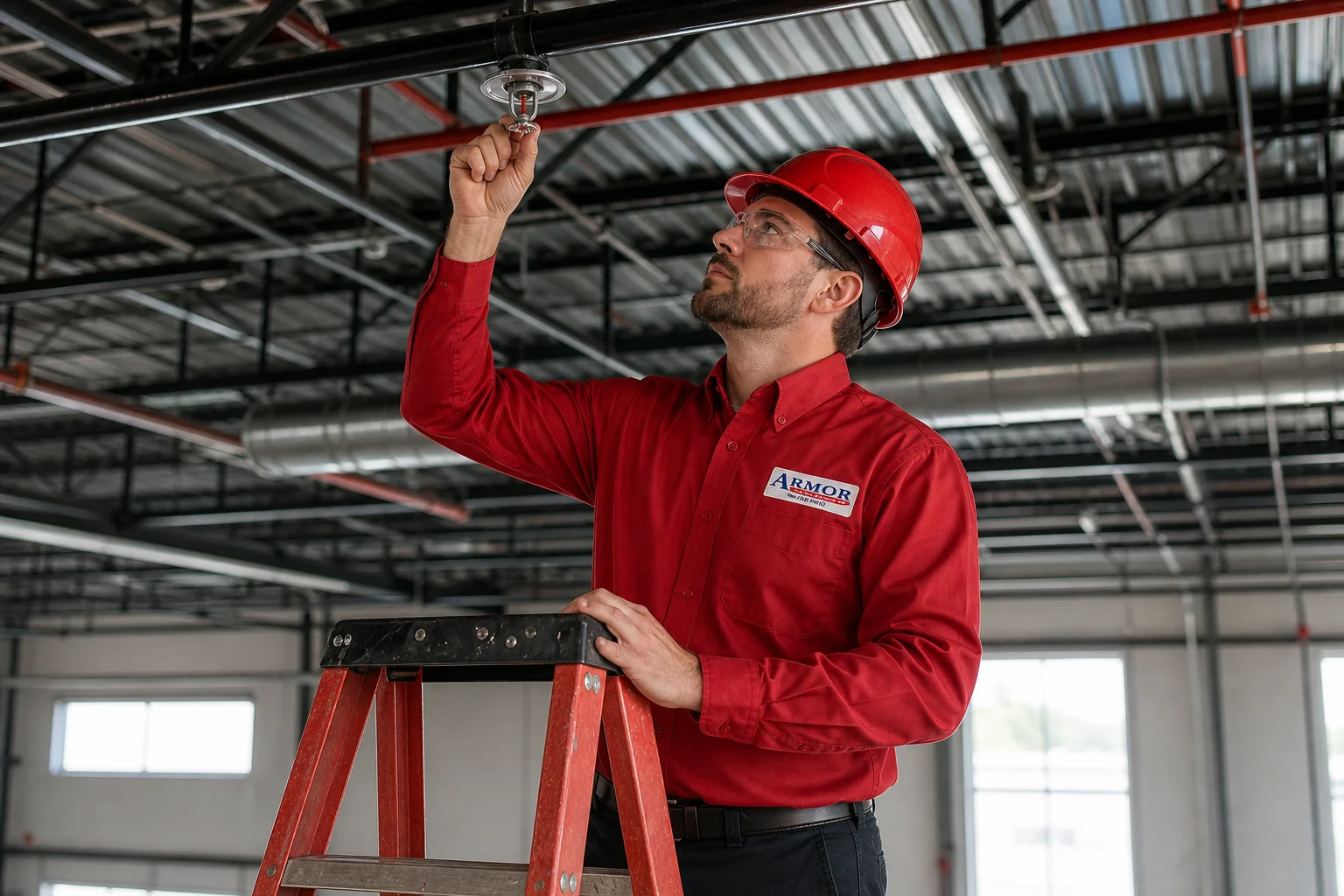
If your commercial building still runs on a fire protection system installed decades ago, it may no longer meet current safety standards or protect the people inside during a fire. Fire protection system upgrades bring aging Fire Sprinklers, fire alarms, and suppression equipment up to code, close coverage gaps, and reduce liability for building owners across the Phoenix area.
By Armor Fire Pro Team, Fire Protection Specialists
Signs Your Fire Protection System Needs an Upgrade
Most fire protection systems are engineered to last twenty to thirty years, assuming routine maintenance and no major building changes. Signs of a system that has fallen behind include corroded sprinkler heads, an alarm panel with no replacement parts available, frequent false alarms, water stains near ceiling piping, or coverage gaps in areas added after the original design. Insurance carriers often flag outdated equipment during renewal inspections, and a fire marshal walkthrough can turn up related violations. If your building has changed occupancy, added square footage, or gone years without evaluation, have a licensed contractor assess it before a violation, or a fire, forces the issue.
Codes and Standards That Drive Fire Protection System Retrofits
Retrofits bring an older building's equipment up to current code. NFPA 13 governs fire sprinkler design, NFPA 72 governs fire alarm and detection systems, and the International Fire Code sets the baseline Arizona jurisdictions adopt and amend locally. A newer code edition does not always force a retrofit right away, but a triggering event, such as a change of occupancy or a major renovation, can require it. Arizona fire code compliance follows local amendments layered on the NFPA baseline, so owners unsure which edition applies should confirm with their authority having jurisdiction before assuming an older system is grandfathered in.
What Fire Protection System Upgrades Cost
There is no flat number for what upgrades cost, because pricing depends on building size, how many systems need work, whether the retrofit can reuse existing piping and wiring, and how much design and permitting the project needs. A single alarm panel replacement costs far less than a full sprinkler retrofit across a multi-story office building. The only reliable way to know the cost is a walkthrough and written proposal from a licensed contractor, requested early since scope often shifts once the contractor sees the system.
How the Retrofit Process Works
A fire protection system retrofit follows a fairly consistent sequence.
From Assessment to Final Inspection
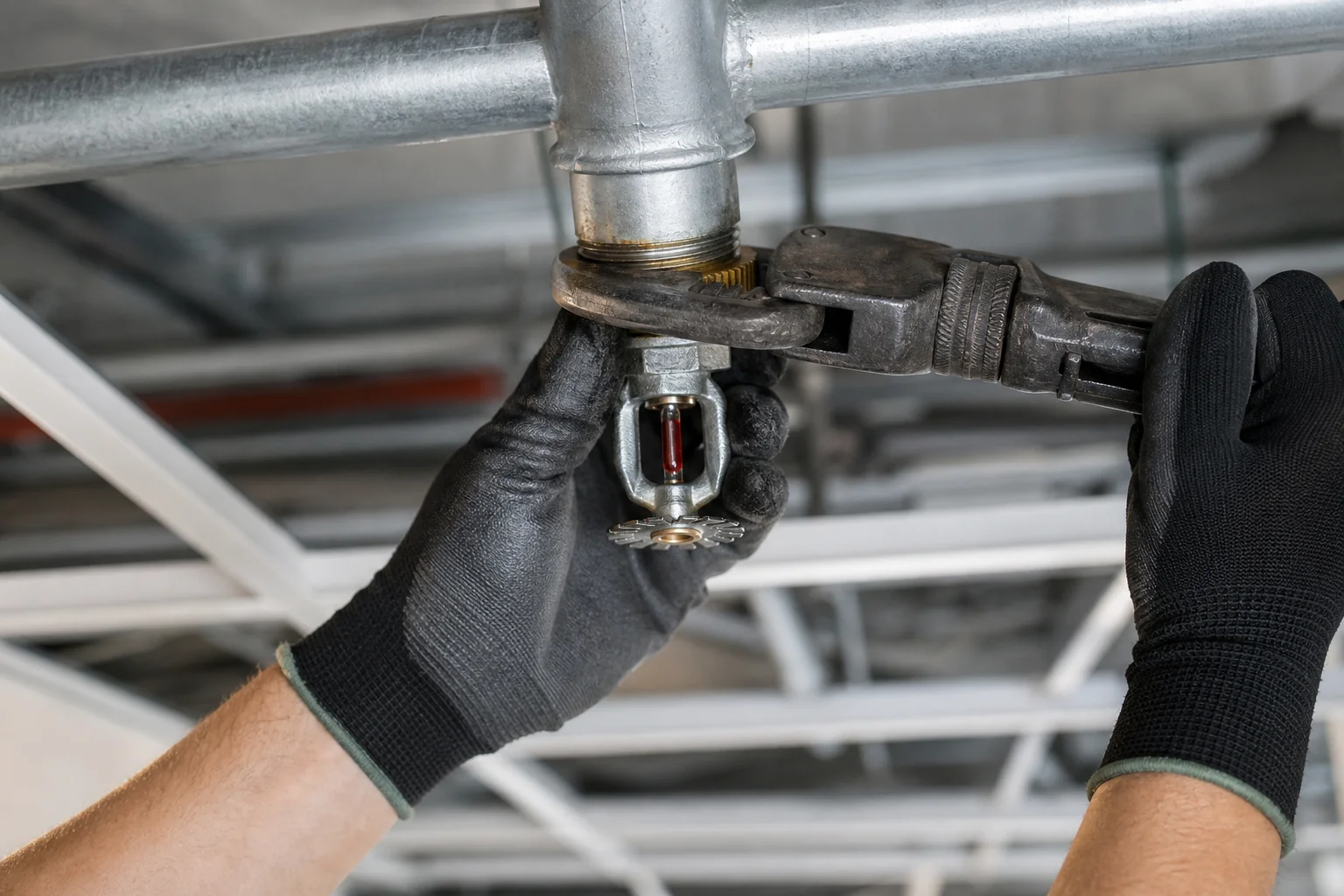
A licensed contractor inspects the existing sprinkler, alarm, or suppression equipment, checks it against current code, and identifies gaps. The contractor then designs the retrofit, submits plans to the fire marshal or building department for approval, and schedules installation. The new equipment then goes through acceptance testing and a final inspection before sign-off.
How Long a Retrofit Takes
A single alarm panel swap can be finished in a day or two. A full sprinkler retrofit across a large building, including design, permitting, and phased installation, more commonly takes several weeks to a few months. Permitting delays are usually the biggest variable, not installation itself.
Keeping the Building Operational
Most retrofits can be phased so the building does not have to close. Contractors typically work floor by floor or system by system, maintaining fire watch coverage where protection is temporarily offline. Occupied buildings, hospitals, hotels, and multi-tenant offices usually need this phased approach built into the plan.
Which Fire Protection Systems Get Retrofitted Most Often: Sprinklers, Alarms, and Suppression
Sprinkler systems are the most commonly retrofitted because they age out fastest: older pipe materials corrode, coverage falls out of compliance as buildings are renovated, and dry systems in unconditioned spaces are especially prone to failure. Fire Alarms & Lights are a close second, often replaced because parts for older panels are discontinued or added square footage falls outside the original alarm zoning. Kitchen suppression systems also see frequent retrofits, usually to bring wet chemical suppression systems up to current standards or replace an aging dry chemical system that no longer matches the layout. A retrofit to one system does not extend to the others; each stays on its own schedule.
What Happens When a Building Skips Its Retrofit
A building that fails to retrofit an outdated fire protection system risks more than a citation. Insurance carriers can deny claims tied to a system that was out of compliance at the time of a loss, and some will not renew coverage until violations are corrected. Local fire marshals can red tag noncompliant occupancies, shutting down operations until the system is current. Beyond the paperwork, an outdated system performs worse when it matters most: sprinkler heads activate slower, alarm panels miss zones they were never designed to cover, and suppression systems sized for a different layout may not protect the space. These systems protect people first and property second, and outdated ones increase risk for everyone inside.
Renovations and Who Owns Compliance
Renovation Triggers
Most jurisdictions require a fire protection system to meet current code when a building undergoes a substantial renovation, even if it was compliant before. Adding square footage, changing occupancy type, or altering the layout enough to change sprinkler coverage are common triggers. Owners planning a renovation should have the system reviewed during permitting, not after construction, since retrofitting around finished walls costs more than building it in.
Who's Responsible
Keeping a commercial building's fire protection system code compliant is generally the owner's responsibility, though property managers and tenants may share day-to-day duties depending on the lease. Ownership of inspections, testing, and any required retrofit work usually falls to whoever holds the certificate of occupancy. Multi-tenant buildings sometimes split responsibility by lease terms, but the fire marshal holds ownership accountable regardless of any internal agreement.
Frequently Asked Questions
How often does a fire protection system need to be inspected after a retrofit?
Fire sprinkler systems typically need annual inspection and testing after a retrofit, with more frequent checks for components like fire pumps. Fire alarm systems generally follow a similar annual cycle, though local requirements vary. Confirm the exact schedule with your contractor and fire marshal, since some jurisdictions require closer checks the first year.
Is a fire protection system retrofit covered by insurance or tax incentives?
Coverage and incentives vary by carrier, property type, and jurisdiction, so there is no universal answer. Some insurance carriers offer premium credits for updated systems, and certain municipalities occasionally offer incentives tied to life safety upgrades. Ask your insurance broker and a tax professional before assuming a retrofit qualifies.
Is a fire protection system retrofit legally required for older buildings?
It depends on the triggering event rather than age alone. An older building is not automatically required to retrofit just because it predates the current code, but a renovation, occupancy change, or a violation found during inspection can require it to meet current standards. Confirm with your local authority having jurisdiction if unsure.
What's the difference between a retrofit and a full system replacement?
A retrofit upgrades specific components, such as adding sprinkler coverage to a renovated area or replacing an outdated alarm panel, while leaving compatible infrastructure in place. A full replacement removes and reinstalls the entire system, usually because existing piping, wiring, or panel architecture is too outdated to integrate with new equipment.
Get a Straight Answer About Your Building's Fire Protection System
An outdated fire protection system is a liability that gets more expensive to fix the longer it sits. Armor Fire Pro can assess sprinklers, alarms, and suppression systems together to ensure your building meets code, request a Free Quote to get started.

