
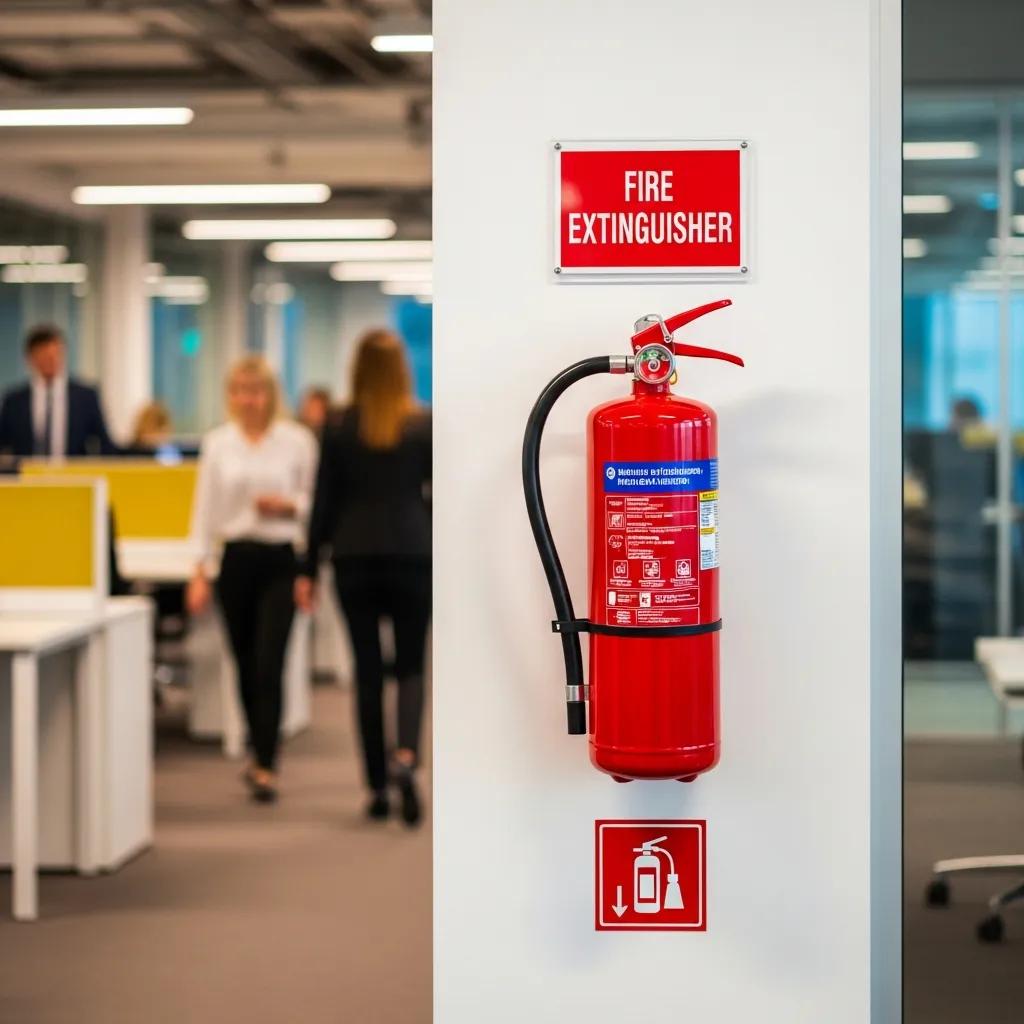
Fire Extinguisher Service Phoenix AZ: Complete Maintenance & Inspection Guide 2026
Fire extinguishers are essential safety devices that protect lives and property from fire hazards. In Phoenix, AZ, understanding the maintenance and inspection requirements for these devices is crucial for compliance and safety. This guide will provide a comprehensive overview of fire extinguisher services, including inspection frequency, maintenance procedures, and how to choose the right extinguisher for your business. Many businesses struggle with ensuring their fire safety equipment is up to code, which can lead to severe consequences in emergencies. By following this guide, you will learn how to keep your fire extinguishers in optimal condition and ensure compliance with local regulations. We will cover the inspection schedule, what a comprehensive inspection includes, maintenance tips, and how to select the appropriate fire extinguisher for your needs.
How Often Should Fire Extinguishers Be Inspected and Maintained in Phoenix AZ?
Regular inspection and maintenance of fire extinguishers are vital to ensure they function correctly in emergencies. In Phoenix, fire extinguishers must undergo annual inspections by a licensed professional, while owners should perform monthly visual checks to ensure they are in good condition. These inspections help identify any issues that could prevent the extinguisher from working effectively when needed.
What Are the Annual and Monthly Inspection Requirements?
Annual inspections are mandatory and must be conducted by a certified technician. During these inspections, the technician will check the overall condition of the extinguisher, including the pressure gauge, seals, and physical damage.
Monthly inspections, which can be performed by the owner, involve a visual check to ensure the extinguisher is accessible, properly mounted, and has no visible signs of damage.
When Is Hydrostatic Testing and 6-Year Maintenance Needed?
Hydrostatic testing is required every 5 years for most types of fire extinguishers, including stored-pressure types. This process involves testing the extinguisher’s ability to hold pressure and ensures it is safe for use. Additionally, a 6-year maintenance check is necessary, which includes a thorough examination and recharging if needed. This testing and maintenance are crucial for maintaining compliance with NFPA 10 standards and ensuring the extinguisher’s reliability.
What Does a Comprehensive Fire Extinguisher Inspection Include?
A comprehensive fire extinguisher inspection includes several critical components that ensure the device is functioning correctly and meets safety standards. Understanding what these inspections entail can help businesses maintain compliance and ensure safety.
Which Components Are Checked During Inspection?
- Pressure Gauge: Ensures the extinguisher is charged and ready for use.
- Seal Integrity: Checks that the tamper seal is intact, indicating the extinguisher has not been used or tampered with.
- Hose Condition: Inspects the hose for any signs of wear or damage that could affect performance.
These components are essential for the effective operation of fire extinguishers, and any issues found during inspection should be addressed immediately.
How Does Inspection Ensure NFPA 10 Compliance?
NFPA 10 outlines the standards for fire extinguisher maintenance and inspection. Regular inspections ensure compliance with these standards, which helps prevent legal liabilities and enhances safety. Non-compliance can lead to penalties and increased risk during a fire emergency. By adhering to NFPA 10 guidelines, businesses can ensure their fire extinguishers are always ready for use.
How Do You Recharge and Maintain Fire Extinguishers in Phoenix?
Proper maintenance and recharging of fire extinguishers are crucial for their effectiveness. Understanding the recharge process and maintenance tips can help ensure that your extinguishers are always ready for use.
What Is the Fire Extinguisher Recharge Process?
The recharge process involves refilling the extinguisher with the appropriate extinguishing agent after it has been used or if it has lost pressure. This process should be performed by a certified technician who will also check for any damage and ensure the extinguisher meets safety standards. Regular recharging is essential to maintain the extinguisher’s effectiveness.
Which Types of Fire Extinguishers Require Recharge?
- ABC Fire Extinguishers: Commonly used for general fires, these should be recharged after any use.
- CO2 Fire Extinguishers: These require recharging after use, as they do not have a pressure gauge.
- K-Class Fire Extinguishers: Used for kitchen fires, these should also be recharged after use.
How to Choose the Right Fire Extinguisher for Your Phoenix Business?
Selecting the appropriate fire extinguisher for your business is essential for effective fire safety. Various factors influence this decision, including the type of fire hazards present and local fire codes.
What Are the Differences Between ABC, CO2, and K-Class Extinguishers?
- ABC Fire Extinguishers: Versatile and suitable for most types of fires, including wood, paper, flammable liquids, and electrical fires.
- CO2 Fire Extinguishers: Ideal for electrical fires and flammable liquids, as they do not leave residue.
- K-Class Fire Extinguishers: Specifically designed for kitchen fires involving cooking oils and fats.
How Do Local Phoenix Fire Codes Affect Extinguisher Selection?
Local fire codes in Phoenix dictate specific requirements for fire extinguishers, including the type and placement within a business. Compliance with these codes is essential to avoid penalties and ensure safety. Businesses should consult local regulations to determine the appropriate extinguishers needed for their specific environment.
|
Component |
Inspection Frequency |
Importance |
|---|---|---|
|
Annual Inspection |
Once a year |
Ensures overall functionality |
|
Monthly Visual Check |
Once a month |
Identifies visible issues |
|
Hydrostatic Testing |
Every 5 years |
Confirms pressure integrity |
Regular inspections and maintenance of fire extinguishers are crucial for ensuring safety and compliance with local regulations. By understanding the requirements and processes involved, businesses can effectively manage their fire safety equipment and protect their premises from fire hazards.

